
Have you ever stood near your overflowing wet-waste bin and wondered, “There has to be a better way to deal with this?” For many Indian homes, societies, cafés, and commercial kitchens, the daily challenge is the same: too much food waste, not enough space, and rising disposal costs. That’s exactly why choosing the right Organic Waste Converter has become a priority, not just for sustainability lovers, but for anyone who wants cleanliness, convenience, and cost savings.
What an Organic Waste Converter Actually Does (In Simple Words)
Before choosing capacity, you need to understand what an Organic Waste Converter is and what it is not.
It’s not just a bin, not just a shredder, and not just a compost pit.
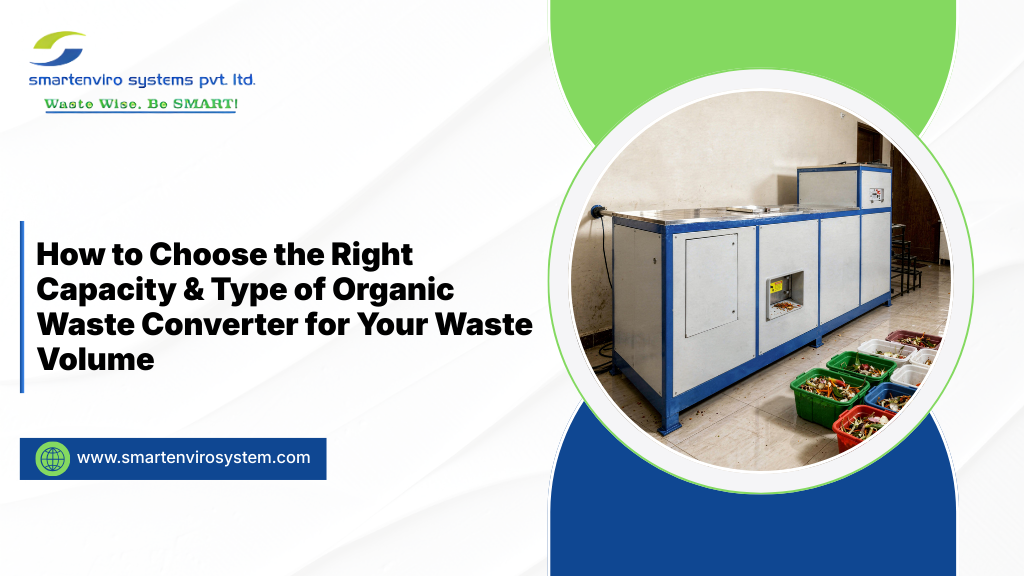
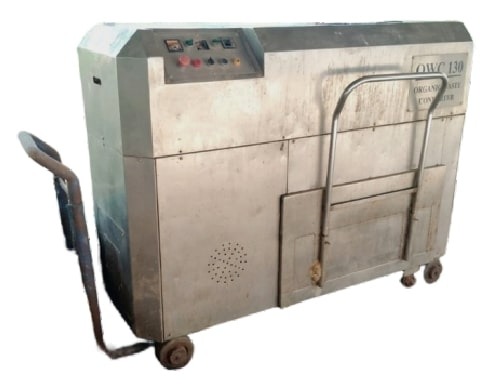
An organic waste converter machine takes your daily wet waste—vegetable peels, leftover food, garden waste—and transforms it into nutrient-rich compost through controlled decomposition. Modern converters, especially the ones designed by Smartenviro Systems, automate most of the hard work: shredding, mixing, heating, curing, moisture control, and odour suppression.
A quote from the UN Environment Programme states:
“Food waste alone accounts for nearly 8–10% of global greenhouse gas emissions.”
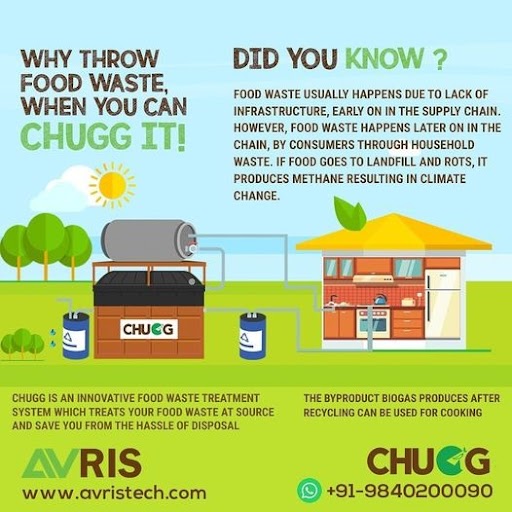
Reducing food waste at source through tech like a composter machine plays a significant role in combating climate issues locally and globally.
5 Factors That Determine the Right Capacity for Your Waste Volume
Choosing the wrong capacity—too big or too small—creates recurring problems. So let’s decode the five biggest factors.
1. Calculate Your Daily Waste Generation
A simple rule used by environmental engineers is:
- Homes: 0.3–0.5 kg wet waste per person per day
- Restaurants: 0.7–1.2 kg per meal served
- Societies: 50–150 kg per day for 100 flats
- Hotels/Hostels: 2–3 kg per room per day
Once you know your approximate daily output, you can identify the right capacity of Organic Waste Converter or composting machine without guesswork.
2. Know Your Waste Type and Moisture Level
Moisture-heavy waste like leftover curry, rice, or fruit pulp requires a converter with better dehydration capability. This is where Smartenviro’s food waste composter machine stands out—with technology that balances heat, aeration, and shredding to speed up composting and reduce odour.
3. Identify Your User Category
Different users have different needs:
A) Organic waste converter for home
Perfect for:
- Individual bungalows
- Small families
- Sustainable lifestyle users
Capacity range: 1–5 kg/day
B) Societies & Residential Complexes
Requirements:
- 50–500 kg/day
- Fully automatic composting machine with odour control
- Minimal manual handling
C) Commercial Kitchens & Cafés
Needs:
- Hygienic disposal
- Quick decomposition
- Compliance with municipal norms
The wrong choice leads to breakdowns and operational hassles. So user category is key.
4. Evaluate Space Availability
Every organic waste converter machine requires:
- Ventilation
- Water access
- Level floor
- Power supply
Societies often create dedicated waste rooms, while hotels choose compact models with quick-cycle processing.
5. Balance Upfront Cost with Long-Term Savings
While a composter machine may cost more initially, the monthly savings are significant:
- Lower waste transport fees
- Reduced municipal penalties
- Compost resale or reuse
- Cleaner premises
A survey by the Indian Pollution Control Association noted that onsite composting can reduce waste management costs by 40–60% for large generators.
Types of Organic Waste Converter Machines & Their Use Cases
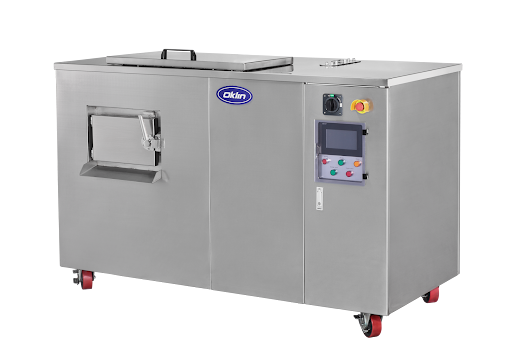
Not all converters work the same way. Understanding types helps you make the right investment.
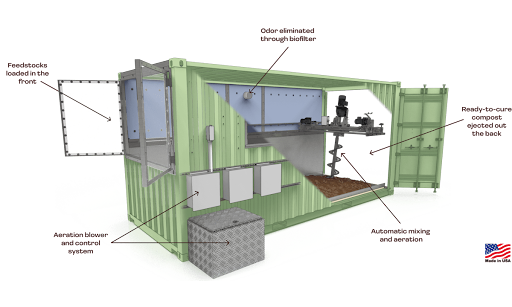
1. Fully Automatic Composting Machine
Ideal for:
Hotels
IT parks
Housing societies
Shopping complexes
Features:
Auto shredding
Inbuilt heaters
Air circulation
Minimal labour
Smartenviro Systems’ fully automatic models are designed to operate with low energy consumption and zero odour leakage.
2. Semi-Automatic Composter Machine
Best for:
- Medium-scale restaurants
- Schools
- Canteens
Advantages:
- Lower cost
- Easy operation
3. Food Waste Composter Machine
Perfect where food waste forms 80–90% of daily waste.
This machine accelerates breakdown and reduces volume quickly.
Smartenviro’s models come with built-in microbe-based technology for faster composting without chemical additives.
4. Organic Waste Converter for Home
Compact, aesthetic, easy to operate.
Ideal for:
- Small villas
- Sustainable households
- Green enthusiasts
Trending Insight: India’s Shift Toward Decentralised Composting
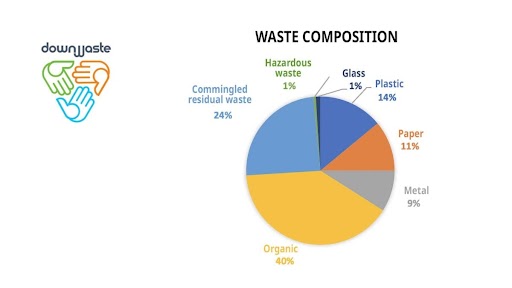
A 2023 report by the Ministry of Housing and Urban Affairs highlighted that India generates nearly 150,000 tonnes of solid waste daily, out of which 60% is biodegradable. With rising landfill pressures, decentralised composting using an Organic Waste Converter has become a national priority.
This trend has pushed residential societies, hotels, and even educational institutions to adopt onsite organic waste converter machines.
Smartenviro Systems: India’s Most Trusted Name in Waste Management Technology
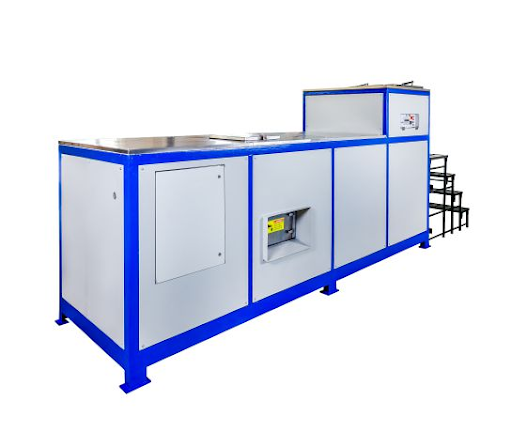
If you’re looking for reliability, innovation, and proven performance, Smartenviro Systems Private Ltd stands out as India’s preferred brand. Their solutions are designed for Indian waste patterns, Indian climate conditions, and Indian user expectations.
What Makes Their Products Exceptional?
- Odour-Free Technology – prevents the most common complaint of composting.
- Energy-Efficient Design – lower operational cost compared to generic models.
- Durable Build – engineered for long-term, heavy-duty use.
- AI-Based Monitoring (in select models) – ensures optimum compost quality.
- Microbial Decomposition Support – accelerates composting naturally.
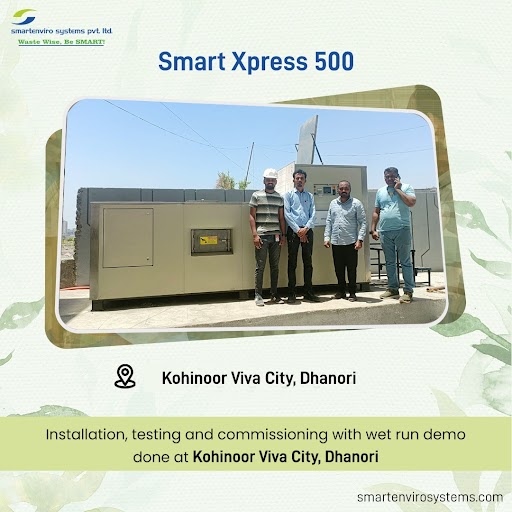
From food waste composter machines to large-scale decentralised systems, their product range is robust, dependable, and widely adopted by leading hotels, residential projects, and corporate campuses across India.
How to Match Converter Type to Your Waste Volume (Real-Life Scenarios)
Scenario 1: A Family of Five
Daily waste: 2–3 kg
Recommendation: Organic waste converter for home
Why: Compact, user-friendly, low maintenance, fits balconies/utility areas.
Scenario 2: A 200-Flat Society
Daily waste: 120–150 kg
Recommendation: Fully automatic Organic Waste Converter (100–150 kg/day model)
Why: Continuous, odour-free operation + civic compliance.
Scenario 3: A Commercial Restaurant Serving 200 Meals/Day
Daily waste: 80–100 kg
Recommendation: Food waste composter machine
Why: Handles high-moisture leftovers efficiently and rapidly.
Scenario 4: A School or Canteen
Daily waste: 20–30 kg
Recommendation: Semi-automatic composting machine
Why: Budget-friendly + easy for staff to manage.
Expert Tips to Get Maximum Efficiency from Your Organic Waste Converter
- Segregate at source – No plastic, foil, or non-biodegradable items.
- Chop larger waste pieces for faster composting.
- Maintain moisture balance – neither too wet nor too dry.
- Use microbial culture (Smartenviro includes this in many models).
- Perform routine checks – prevents long-term damage.
A compost expert once said:
“Good compost is 50% science and 50% consistency.”
That’s why choosing the right machine makes half the journey easier.
Conclusion
Every user—whether a homeowner, restaurant, school, hotel, or residential society—has unique waste patterns. And the secret to smooth, hassle-free waste management begins with choosing the right Organic Waste Converter capacity and type. With its technology-led approach and India-ready designs, Smartenviro Systems Private Ltd continues to help thousands transition from waste problems to sustainable solutions.