
Have you ever noticed how garbage seems to become a bigger problem the moment the monsoon arrives? Overflowing bins, foul smells, clogged drains, and increased pest activity are common sights across many Indian cities during the rainy season. What may seem like a minor inconvenience can quickly turn into a serious public health and environmental concern.
According to the Central Pollution Control Board (CPCB), India generates more than 62 million tonnes of municipal solid waste annually, and improper waste disposal during monsoons significantly worsens urban sanitation challenges. Rainwater mixing with waste can contaminate water bodies, spread diseases, and create breeding grounds for mosquitoes and rodents.
For homeowners, housing societies, and communities, managing garbage effectively during the rainy season is essential. In this blog, we’ll discuss the major Waste Management Challenges and Solutions associated with monsoon waste handling, share practical Tips for Composting during wet weather, and explore how innovative organizations like Smartenviro Systems Private Ltd. are helping create cleaner and more sustainable environments.
Let’s begin by understanding why monsoon waste management requires special attention.
Why Garbage Management Becomes Difficult During Monsoons
The rainy season introduces unique challenges to waste collection and disposal systems.
Heavy rainfall often leads to:
- Waterlogged streets
- Overflowing community bins
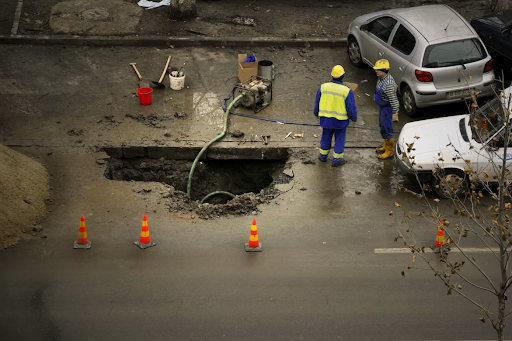
- Blocked drainage systems
- Increased organic waste decomposition
- Faster spread of bacteria and pests
When garbage is exposed to rainwater, waste becomes heavier, smellier, and more difficult to transport. Wet waste also contaminates recyclable materials, reducing recycling efficiency.
These seasonal issues highlight the importance of adopting effective waste management practices at the household and community levels.

Common Waste Management Challenges and Solutions
Understanding the major Waste Management Challenges and Solutions during monsoons helps households prepare more effectively.
Challenge 1: Overflowing Garbage Bins
Heavy rain often fills open garbage bins with water, causing waste to overflow onto roads and public spaces.
Solution
Use covered bins with secure lids and ensure regular disposal schedules.
This is one of the simplest Waste Management Challenges and Solutions that can significantly improve cleanliness.
Challenge 2: Foul Odors from Wet Waste
Organic waste decomposes much faster during humid conditions.
Solution
Dispose of kitchen waste daily and use composting systems designed for wet weather conditions.
Proper segregation is one of the most effective Waste Management Challenges and Solutions for reducing unpleasant odors.
Challenge 3: Increased Pest Infestation
Mosquitoes, flies, rats, and cockroaches thrive around unmanaged waste during the monsoon season.
Solution
Keep waste bins sealed and avoid leaving garbage exposed for long periods.
Addressing pest control is a critical aspect of Waste Management Challenges and Solutions in residential areas.
Challenge 4: Blocked Drains
Plastic bags and mixed waste often end up in stormwater drains.
Solution
Segregate recyclables properly and avoid dumping waste in public areas.
Communities that proactively address these Waste Management Challenges and Solutions often experience fewer flooding incidents during heavy rainfall.
8 Practical Ways to Manage Garbage During Rainy Season
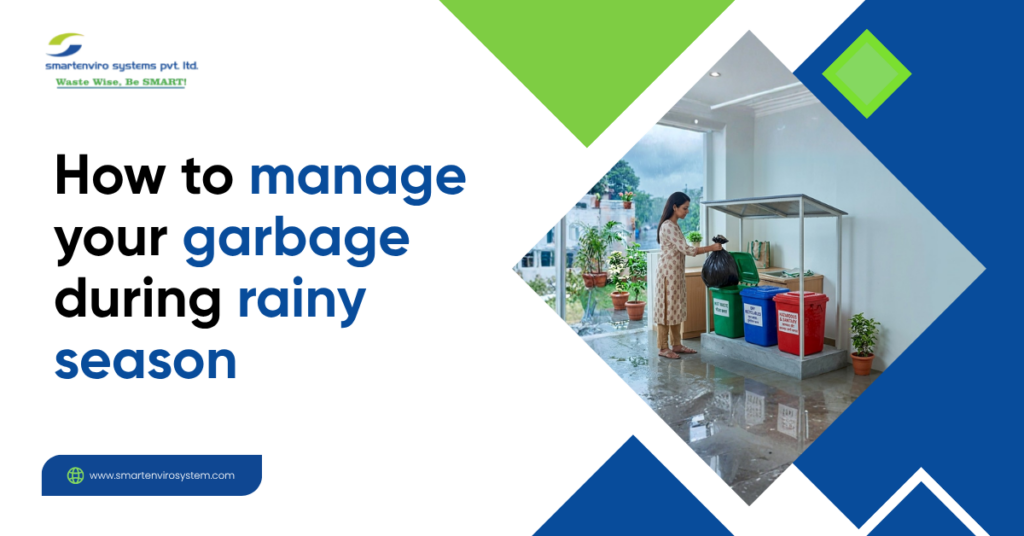
1. Use Covered Waste Bins
Always store waste in bins with tightly fitting lids.
Covered bins prevent:
- Rainwater entry
- Odor spread
- Pest access
- Waste overflow
This simple step can dramatically improve household sanitation.
2. Segregate Waste at Source
Separate:
- Wet waste
- Dry recyclables
- Hazardous waste
- Sanitary waste
Segregation prevents contamination and improves recycling efficiency.
Many municipalities across India now encourage source-level segregation as a mandatory practice.
3. Dispose of Organic Waste Daily
Kitchen waste should not remain stored for several days during monsoon months.
Daily disposal minimizes:
- Bad odors
- Insect breeding
- Bacterial growth
Fresh disposal practices improve overall hygiene.
4. Store Recyclables Indoors
Rainwater can damage recyclable materials such as paper and cardboard.
Store recyclables in dry areas until collection day.
This helps maximize recycling potential.
5. Avoid Plastic Bag Accumulation
Plastic waste often contributes to drainage blockages during heavy rainfall.
Instead:
- Reuse bags when possible
- Recycle plastic responsibly
- Reduce single-use plastics
Small behavioral changes can prevent large environmental problems.
6. Keep Waste Collection Areas Clean
Whether you live in an apartment complex or an independent house, maintain cleanliness around waste collection points.
Regular cleaning prevents:
- Odor buildup
- Pest infestations
- Water stagnation
Community participation is especially important during monsoons.
7. Monitor Drainage Around Your Home
Ensure nearby drains remain free from waste accumulation.
Blocked drainage systems can quickly lead to flooding and water contamination.
Preventive maintenance goes a long way.
8. Adopt Home Composting
Composting reduces the amount of organic waste sent to landfills while creating useful fertilizer for gardens and plants.
However, monsoon composting requires special attention.
Let’s explore some practical Tips for Composting during rainy weather.
Tips for Composting During Wet Weather
Home composting remains one of the most sustainable waste management practices. However, excess moisture can disrupt the composting process.
Here are some essential Tips for Composting during monsoons.
Maintain Proper Moisture Balance
Rainwater can make compost piles excessively wet.
One of the most important Tips for Composting is keeping compost moist but not waterlogged.
A compost pile should feel like a wrung-out sponge.
Use Covered Compost Bins
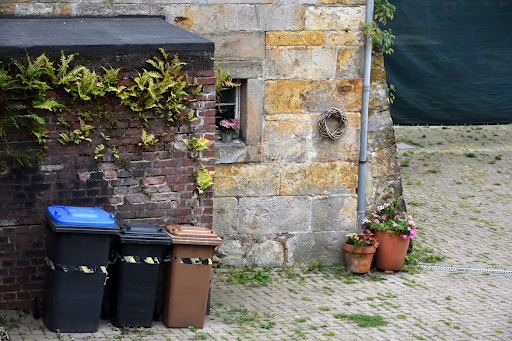
Rainproof compost containers help protect organic waste from excessive moisture.
Covered systems improve compost quality and reduce odors.
Among the most recommended Tips for Composting, using enclosed bins consistently delivers better results.
Add Dry Materials Regularly
Balance wet kitchen waste with dry materials such as:
- Dry leaves
- Shredded newspaper
- Cardboard pieces
- Coconut husk
This helps absorb excess moisture.
Improve Air Circulation
Compost requires oxygen for effective decomposition.
Turn compost periodically to improve airflow and prevent foul smells.
Good aeration is one of the simplest yet most effective Tips for Composting.
Avoid Excess Food Waste
Large quantities of food waste can create overly wet compost.
Add waste gradually and maintain a balanced mix of green and brown materials.
Following these Tips for Composting ensures successful composting even during prolonged rainy periods.
Common Mistakes to Avoid During Monsoon Waste Disposal
Even households with good waste management habits can make mistakes during the rainy season.
Avoid the following:
Leaving Waste Exposed
Open garbage attracts pests and accumulates rainwater.
Mixing Wet and Dry Waste
Mixed waste becomes difficult to recycle and process.
Ignoring Compost Maintenance
Monsoon compost requires regular monitoring.
Delaying Garbage Disposal
Stored waste decomposes rapidly in humid conditions.
Avoiding these mistakes improves both household hygiene and environmental outcomes.
How Smartenviro Systems Supports Sustainable Waste Management
As India continues to urbanize, waste management systems must become smarter, more efficient, and environmentally responsible.
Smartenviro Systems Private Ltd. is contributing to this transformation through innovative environmental and waste management solutions that support municipalities, industries, institutions, residential communities, and urban infrastructure projects.
The company focuses on improving waste collection efficiency, sustainability initiatives, environmental monitoring, and resource management through advanced technology-driven systems.
By promoting scientific waste handling practices and supporting modern waste management infrastructure, Smartenviro Systems helps organizations address many of today’s pressing environmental concerns.
Their commitment to sustainability aligns with India’s growing focus on cleaner cities, improved sanitation, and environmentally responsible waste processing.
As communities face increasing Waste Management Challenges and Solutions, organizations like Smartenviro Systems are playing a valuable role in building smarter and more resilient environmental ecosystems.
Future Trends in Smart Waste Management
The future of waste management is becoming increasingly technology-driven.
Emerging trends include:
- Smart waste bins with sensors
- IoT-enabled waste monitoring
- Automated waste collection systems
- AI-powered waste sorting
- Digital route optimization
- Waste-to-energy projects
- Circular economy initiatives
These innovations will help cities and communities manage waste more efficiently while reducing environmental impact.
As environmental awareness grows, households will also play an increasingly important role in sustainable waste management practices.
Conclusion
Managing garbage during the rainy season requires more than simply disposing of waste. It involves proactive planning, proper segregation, responsible disposal habits, and sustainable practices such as composting. By understanding seasonal Waste Management Challenges and Solutions and implementing practical Tips for Composting, households can significantly reduce environmental impact while maintaining cleaner and healthier surroundings throughout the monsoon season.