
Every household generates organic waste every single day. From vegetable peels and fruit scraps to leftover food and garden waste, these biodegradable materials often end up in dustbins and eventually reach landfills. Unfortunately, when organic waste is mixed with other garbage, it decomposes without oxygen and releases methane, a greenhouse gas that contributes significantly to climate change.
The good news is that managing organic waste at home has become easier than ever. With the right approach and modern composting solutions, you can turn everyday kitchen waste into nutrient-rich compost for your garden while reducing the amount of waste sent to landfills.
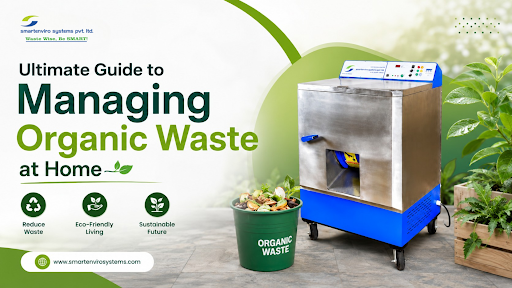
One of the most effective ways to achieve this is by using an organic waste composter machine. These machines simplify the composting process, reduce unpleasant odours, and help households contribute to a cleaner and greener environment.
In this guide, we’ll explore everything you need to know about managing organic waste at home, along with practical tips to make composting simple and rewarding.
Why Managing Organic Waste Matters
Organic waste makes up a large portion of household garbage in India. Kitchen scraps, spoiled vegetables, fruit peels, tea leaves, coffee grounds, eggshells, and garden trimmings are all biodegradable and can be converted into useful compost instead of becoming landfill waste.
Proper waste management offers several benefits:
* Reduces the amount of garbage sent to landfills
* Minimizes greenhouse gas emissions
* Produces natural compost for plants
* Reduces dependence on chemical fertilizers
* Encourages sustainable living
* Helps maintain cleaner surroundings
Small changes at home can collectively create a significant positive impact on the environment.
Understanding Organic Waste
Organic waste refers to materials that naturally decompose over time.
Common examples include:
* Vegetable and fruit peels
* Leftover cooked food (in moderation)
* Tea leaves and coffee grounds
* Eggshells
* Dry leaves
* Grass clippings
* Small branches
* Flower waste
* Garden trimmings
Keeping these materials separate from plastic, glass, and metal is the first step toward effective composting.
Traditional Composting vs. Modern Composting
Traditional composting methods have been used for generations. While they are effective, they often require dedicated outdoor space, regular turning of compost piles, and several weeks or even months before compost is ready.
Modern households, especially those living in apartments or urban areas, may find traditional composting less practical.
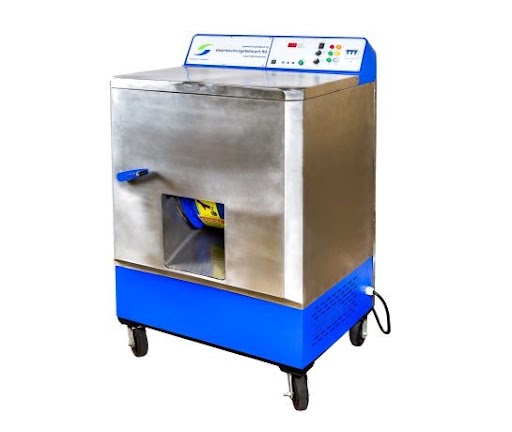
This is where an organic waste composter machine offers a convenient alternative. These machines are designed to accelerate the composting process while minimizing odour, pests, and maintenance. They make composting easier for families with limited space and busy lifestyles.
How an Organic Waste Composter Machine Works
This machine is designed to process biodegradable waste efficiently under controlled conditions.
Although different models may vary in design, the general process includes:
- Organic waste is added to the machine.
- Microbial activity begins breaking down the waste.
- Proper aeration and controlled moisture help speed up decomposition.
- Over time, the waste is converted into nutrient-rich compost.
Many modern machines are compact, user-friendly, and suitable for homes, housing societies, schools, offices, and small commercial establishments.
Benefits of Using an Organic Waste Composter Machine
- Faster Composting
One of the biggest advantages is speed. Compared to traditional compost pits, a machine helps accelerate the decomposition process, allowing users to produce compost much faster.
- Cleaner Waste Management
Food waste left in open bins often attracts insects and produces unpleasant smells.
A well-designed **organic waste composter machine** helps manage waste in a more hygienic way by reducing odours and keeping the composting process contained.
- Reduces Household Waste
A significant percentage of household garbage is organic. Composting at home reduces the volume of waste sent to municipal collection systems, making waste management more efficient.
- Produces Natural Fertilizer
Instead of purchasing chemical fertilizers, homeowners can use compost produced from kitchen waste to nourish plants, lawns, kitchen gardens, and flower beds naturally.
- Supports Sustainable Living
Every household that composts contributes to reducing landfill waste, conserving natural resources, and promoting environmentally responsible practices.
What Can You Compost?
Most everyday kitchen waste can be composted, including:
* Fruit peels
* Vegetable scraps
* Tea bags (without plastic)
* Coffee grounds
* Eggshells
* Dry flowers
* Garden leaves
* Small amounts of cooked food
* Paper napkins (uncoated)
Avoid adding plastic, glass, metal, synthetic materials, or hazardous waste to your composting system.
Tips for Successful Home Composting
Getting good-quality compost doesn’t have to be complicated. Following a few simple practices can make a big difference.
* Separate wet and dry waste at the source.
* Chop larger food scraps into smaller pieces.
* Maintain a balance between green and brown materials.
* Avoid adding excessive oil, dairy products, or meat waste unless recommended for your machine.
* Keep the composting system clean and well-maintained.
* Follow the manufacturer’s operating guidelines.
Consistency is the key to successful composting.
Choosing the Right Composting Solution
Before purchasing an organic waste composter machine, consider factors such as:
* Household size
* Daily organic waste generation
* Available installation space
* Ease of maintenance
* Processing capacity
* Energy consumption (if applicable)
* After-sales support
Choosing the right machine ensures smoother operation and long-term satisfaction.
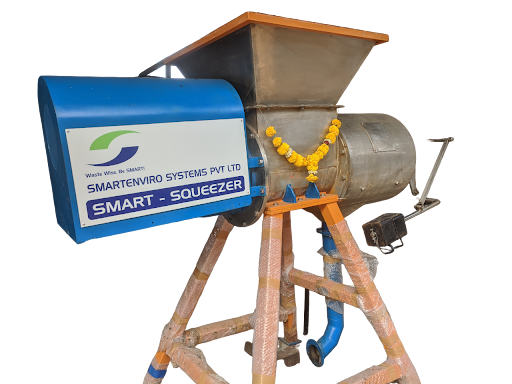
For homeowners, residential communities, educational institutions, and businesses looking for reliable composting solutions, Smart Enviro Systems offers innovative waste management technologies designed to simplify organic waste processing while supporting sustainable living.
Common Mistakes to Avoid
Many beginners face challenges simply because of a few avoidable mistakes.
Some common ones include:
* Mixing plastic with organic waste
* Adding excessive liquid waste
* Ignoring regular maintenance
* Overloading the composting unit
* Using unsuitable waste materials
Understanding these basics helps ensure a smooth composting experience and better-quality compost.
The Future of Home Waste Management
As cities continue to grow and waste generation increases, managing organic waste at the source will become even more important.
Government initiatives promoting waste segregation and composting are encouraging households to adopt eco-friendly practices. Modern composting technologies are making it easier for families to participate in sustainable waste management without requiring large outdoor spaces.
Home composting is no longer just an environmental choice; it is becoming a practical lifestyle habit that benefits both households and communities.
Conclusion
Managing organic waste at home is one of the simplest yet most effective ways to contribute to a cleaner environment. By converting kitchen and garden waste into valuable compost, households can reduce landfill waste, improve soil health, and support sustainable living.
An organic waste composter machine makes this process convenient, hygienic, and efficient, allowing even urban households to compost with ease. Whether you’re looking to reduce your environmental footprint or create nutrient-rich compost for your plants, investing in the right composting solution can make a lasting difference.
If you’re exploring dependable composting technologies for your home, apartment, school, or commercial space, Smart Enviro Systems provides innovative solutions that make organic waste management easier, cleaner, and more sustainable. Choosing the right partner can help you take a meaningful step toward a greener future.