
India is one of the fastest-growing economies in the world, and with rapid urbanisation, industrial development, and population growth comes a significant challenge: managing waste effectively. Every day, millions of tonnes of waste are generated from households, commercial establishments, industries, institutions, and public spaces. Without proper segregation and disposal, this waste can lead to environmental pollution, health hazards, and the depletion of natural resources.
Over the past few years, awareness about sustainable waste management has grown considerably. Government initiatives like the “Swachh Bharat Mission,” stricter waste segregation rules, and increased public participation have encouraged better waste disposal practices. At the same time, modern technologies such as the waste composter machine are helping households, businesses, residential societies, and institutions process biodegradable waste more efficiently.
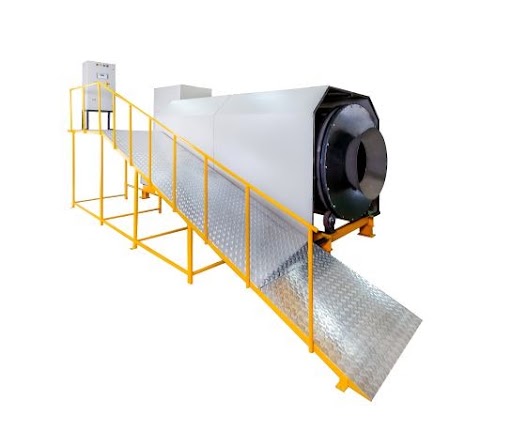
In this article, we’ll explore the current challenges of waste management in India, practical solutions, and the emerging trends that are shaping a cleaner and more sustainable future.
Understanding Waste Management
Waste management is the process of collecting, segregating, transporting, processing, recycling, and safely disposing of waste. Its primary objective is to minimise environmental impact while maximising the recovery of reusable resources.
Waste generated in India generally falls into several categories:
* Organic or biodegradable waste
* Plastic waste
* Paper and cardboard
* Glass and metal
* Electronic waste (e-waste)
* Biomedical waste
* Construction and demolition waste
Among these, organic waste accounts for a significant share of municipal solid waste, making proper composting one of the most effective waste management strategies.
Major Challenges of Waste Management in India
Growing Waste Generation
As cities expand and lifestyles change, the volume of waste generated each day continues to increase. Municipal bodies often struggle to collect, transport, and process this growing amount efficiently.
The challenge becomes even greater in densely populated urban areas where landfill space is limited.
Poor Waste Segregation
One of the biggest hurdles is the lack of waste segregation at the source. Organic waste is frequently mixed with plastics, metals, and other non-biodegradable materials, making recycling and composting more difficult.
Segregating wet and dry waste at the household level remains one of the simplest yet most effective ways to improve waste management.
Dependence on Landfills
Many cities still rely heavily on landfills for waste disposal. Overloaded landfill sites create unpleasant odours, attract pests, contaminate groundwater, and release methane; a greenhouse gas that contributes to climate change.
Reducing the amount of waste sent to landfills is essential for long-term environmental sustainability.
Limited Public Awareness
Although awareness has improved in recent years, many people are still unfamiliar with proper waste segregation, composting techniques, and responsible disposal practices.
Educational campaigns and community participation play a crucial role in changing this mindset.
Sustainable Solutions for Better Waste Management
Addressing India’s waste management challenges requires a combination of technology, public awareness, and responsible practices.
Segregation at Source
Waste management begins at home. Separating biodegradable waste from recyclable and non-recyclable materials improves recycling efficiency and simplifies composting.
Simple habits like using separate bins for wet and dry waste can significantly reduce the burden on municipal waste management systems.
Composting Organic Waste
Organic waste such as fruit peels, vegetable scraps, tea leaves, coffee grounds, garden waste, and food leftovers can be converted into nutrient-rich compost instead of being discarded.
A waste composter machine makes this process faster, cleaner, and more convenient by processing biodegradable waste under controlled conditions. It helps reduce landfill waste while producing compost that can be used for gardens, landscaping, or agricultural applications.
Today, these machines are widely used not only in individual homes but also in apartment complexes, schools, hotels, offices, hospitals, and commercial establishments.
Promoting Recycling
Recycling conserves natural resources and reduces the need for extracting raw materials.
Paper, plastic, glass, and metal can all be recycled when properly segregated. Strengthening recycling infrastructure and encouraging responsible disposal habits can significantly improve waste recovery rates.
Community Participation
Effective waste management cannot rely solely on government agencies.
Resident welfare associations, educational institutions, businesses, and local communities all have an important role to play. Community composting initiatives, cleanliness drives, and awareness campaigns encourage collective responsibility toward waste reduction.
The Role of Technology in Waste Management
Technology is transforming how waste is collected, processed, and monitored across India.
Smart bins equipped with sensors, GPS-enabled waste collection vehicles, digital monitoring platforms, and automated composting solutions are helping improve operational efficiency.
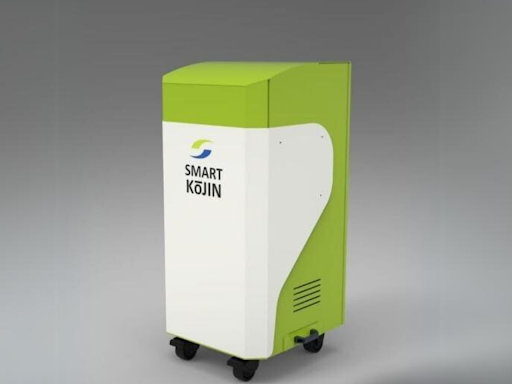
A waste composter machine has become one of the most practical technologies for managing biodegradable waste. By reducing the volume of waste sent to landfills, it supports cleaner surroundings while creating valuable compost that can be reused productively.
Organisations specialising in sustainable waste solutions, such as Smart Enviro Systems are helping residential communities, institutions, industries, and businesses adopt advanced composting technologies that simplify organic waste management and promote environmentally responsible practices.
Emerging Trends in Waste Management
- Decentralised Waste Processing
Instead of transporting all waste to centralised facilities, many cities are encouraging local processing through community composting and on-site waste treatment systems.
This reduces transportation costs while improving waste handling efficiency.
- Circular Economy
The concept of a circular economy focuses on reducing waste by keeping materials in use for as long as possible.
Products are reused, repaired, recycled, or converted into new resources instead of being discarded after a single use.
- Smart Waste Monitoring
Municipal authorities are increasingly adopting digital technologies to optimize waste collection routes, monitor bin capacity, and improve operational planning.
These innovations reduce fuel consumption while improving service efficiency.
- Sustainable Residential Communities
Many modern housing societies now integrate composting systems into their waste management plans.
Installing a waste composter machine within residential complexes enables organic waste to be processed on-site, reducing municipal waste while producing compost for landscaping and gardening.
How Individuals Can Make a Difference
Every individual can contribute to better waste management through simple daily habits:
* Segregate wet and dry waste at home.
* Reduce the use of single-use plastics.
* Compost kitchen waste whenever possible.
* Recycle paper, glass, plastic, and metal responsibly.
* Reuse products instead of discarding them.
* Participate in local cleanliness and awareness initiatives.
Small actions taken consistently by millions of people can create a significant positive impact on the environment.
The Future of Waste Management in India
India’s approach to waste management is steadily evolving from disposal-focused practices to resource recovery and sustainability.
With stronger government policies, increased public awareness, technological advancements, and growing environmental consciousness, waste management systems are becoming more efficient than ever before.
Solutions like decentralised composting, recycling infrastructure, and modern waste composter machine technologies will continue playing a vital role in reducing landfill dependency and supporting a cleaner future.
Conclusion
Managing waste effectively is one of the biggest environmental challenges facing India today, but it also presents an opportunity to build cleaner, healthier, and more sustainable communities. By improving waste segregation, promoting recycling, and processing biodegradable waste at the source, we can significantly reduce pollution and conserve valuable natural resources.
A waste composter machine is an excellent example of how modern technology can simplify organic waste management for homes, businesses, educational institutions, and residential societies. Combined with responsible waste disposal practices, it contributes to a more circular and environmentally friendly system.
As awareness continues to grow, organisations like Smart Enviro Systems are supporting this transformation by providing innovative composting solutions that help individuals and institutions manage organic waste more efficiently. Adopting sustainable technologies today will create a cleaner and greener India for future generations.