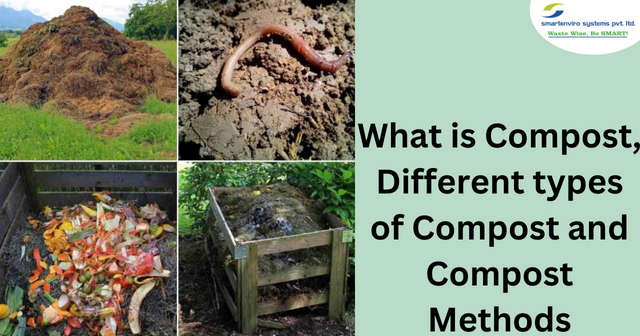

Every time you throw a vegetable peel, a handful of grass clippings, or a plate of leftovers into the bin, you are discarding something that nature considers extraordinarily valuable. Organic material — the kind we routinely send to landfills — holds the potential to become compost: one of the most powerful and sustainable soil amendments ever discovered.
Composting is the natural process by which organic material such as food scraps, leaves, garden trimmings, and animal-based products is broken down by microorganisms, bacteria, fungi, and other decomposers into a rich, dark, crumbly substance called compost. Far from being complicated, composting mimics what the forest floor does every season — it is simply decomposition, accelerated and guided by human hands.
By adding carbon-rich materials (often called “browns” — dry leaves, cardboard, straw) and nitrogen-rich materials (called “greens” — vegetable peels, grass clippings, food waste) along with adequate air and moisture, we create the ideal environment for decomposition to flourish. The result is a nutrient-rich substance that acts as a natural fertiliser, improves soil structure, boosts water retention, and supports long-term plant growth.
Today, this process can be carried out at various scales — from a small backyard pile to a high-capacity organic waste composter machine that serves an entire housing society, hotel, or municipality. In this blog, we explore the main types of composting, the compost methods available, and how modern technology like the organic waste converter and the composter machine are transforming the way we think about waste.
What Is Compost — And Why Does It Matter?
Compost is decomposed organic matter in its most stable and beneficial form. When properly made, it resembles dark, earthy soil, smells faintly of a forest floor, and teems with microbial life. It is sometimes called “black gold” by gardeners and farmers for good reason — its benefits to soil health are extraordinary.
Compost benefits soil and the broader environment in several key ways:
- Enriches soil: Compost is loaded with nitrogen, phosphorus, potassium, and trace minerals that plants need to thrive.
- Improves soil structure: It loosens compacted clay soils and improves water retention in sandy soils.
- Suppresses plant disease: The beneficial microorganisms in compost help fight soil-borne pathogens.
- Reduces landfill pressure: Composting diverts organic waste from landfills, reducing methane emissions and easing the burden on municipal waste systems.
- Replaces chemical fertilisers: Using compost reduces dependence on synthetic inputs that degrade long-term soil health.
Whether produced in a backyard heap, a worm bin, or a fully automated organic waste composter machine, compost is one of the most effective tools we have for closing the loop between organic waste generation and soil regeneration.
The Three Main Types of Composting
Composting is not a one-size-fits-all process. Three primary methods are widely used across homes, farms, restaurants, offices, and commercial settings: aerobic composting, anaerobic composting, and vermicomposting. Each has its distinct advantages, limitations, and ideal use cases.
1. Aerobic Composting
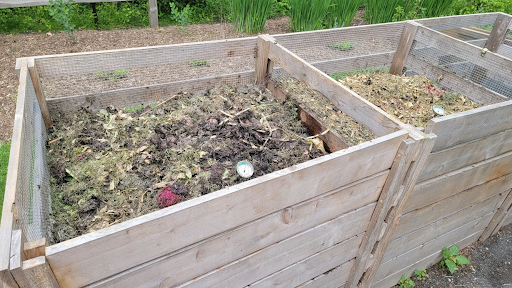
Aerobic composting is the most widely used and well-understood composting method. As the name suggests, it relies on oxygen — aerobic bacteria break down organic material rapidly in the presence of air. This process generates heat (temperatures can reach 50–70°C inside the pile), which accelerates decomposition and kills weed seeds and harmful pathogens.
The key requirement of aerobic composting is regular aeration — the pile or bin must be turned every few days to reintroduce oxygen and prevent the material from becoming compacted and anaerobic. Moisture management is equally important: the pile should feel damp like a wrung-out sponge, not waterlogged or bone dry.
This is where the composter machine becomes a game-changer. Tumbler-style composter machines are specifically designed for aerobic composting — by spinning or rotating the drum, they reintroduce oxygen with minimal effort. Adding fresh organic scraps and then rotating the handle or motor-driven drum keeps the compost aerated and the microbial community active, speeding up the entire process significantly.
For larger institutional settings, an organic waste composter machine takes aerobic composting to the next level. These machines automatically control temperature, moisture, and aeration within an enclosed system, dramatically accelerating decomposition compared to manual turning. A high-quality organic waste composter machine can convert a day’s worth of kitchen and food waste into finished compost within 24 hours.
Key advantages of aerobic composting:
- Faster decomposition than anaerobic methods
- Produces little to no odour when properly managed
- Kills pathogens and weed seeds through heat generation
- Scalable from small home units to large industrial organic waste composter machines
2. Anaerobic Composting
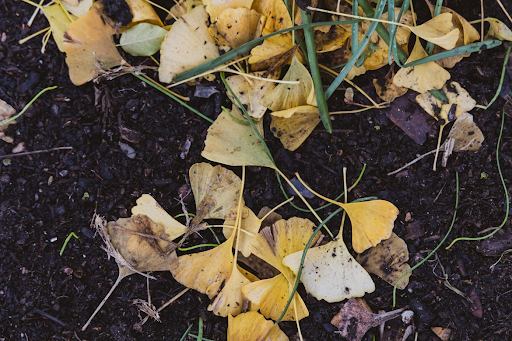
Anaerobic composting is the opposite of aerobic — it occurs without oxygen. In practice, this means simply placing organic waste into a sealed container or pile and leaving it to decompose over an extended period, often a year or more. While it requires virtually no effort or management, the trade-offs are significant.
Anaerobic decomposition produces methane and hydrogen sulphide as byproducts, which is why anaerobic composting tends to produce a strong, unpleasant odour. Methane, of course, is also a potent greenhouse gas — one reason why landfills (which are essentially large-scale anaerobic decomposition sites) are major contributors to climate change. Unmanaged anaerobic composting in backyards can cause odour complaints, attract pests, and produce compost of lower quality.
However, controlled anaerobic digestion — at an industrial scale — is a different matter entirely. Biogas plants harness the methane produced during anaerobic decomposition and convert it into usable energy, making it a legitimate and increasingly popular waste-to-energy solution. The digestate (solid byproduct) from these systems can also be used as a soil amendment.
For most households, residential societies, and commercial facilities, anaerobic composting in its unmanaged form is not recommended. An aerobic composter machine or organic waste converter will yield far faster, more hygienic, and more odour-free results.
3. Vermicomposting
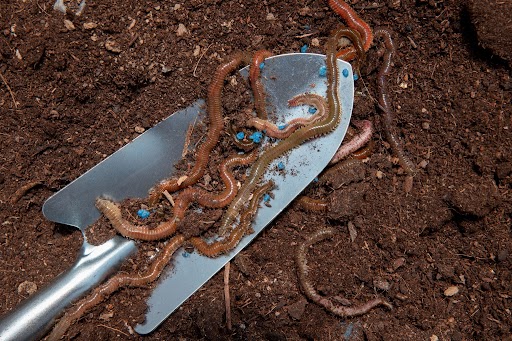
Vermicomposting uses worms — typically red wigglers (Eisenia fetida) — to break down organic matter into a highly nutrient-dense compost known as vermicompost or worm castings. Worms consume organic waste along with the bacteria that colonise it, and their digestive process produces a compost that is often considered superior in quality to conventionally composted material.
Vermicomposting operates aerobically — worms need oxygen and moisture to survive and process organic material effectively. The result is compost that is virtually odourless (earthy-smelling at most), teeming with beneficial microbes, and extraordinarily rich in plant-available nutrients.
Key advantages of vermicomposting:
- No foul odour — smells earthy and pleasant
- Extremely high-quality compost output, rich in beneficial microorganisms
- Does not require frequent turning
- Can be done both indoors and outdoors, making it suitable for urban homes and apartments
- Tray-based vermicomposting systems make compost collection very simple
- Minimal time investment once the worm bin is established
Worms are particularly fond of non-acidic fruit and vegetable scraps, tea bags, coffee grounds, eggshells, and garden clippings. Citrus, onions, meat, dairy, and oily foods should be avoided in vermicomposting systems. For those who want to scale beyond a worm bin, a dedicated organic waste converter that uses mechanical and microbial action can handle a much larger and more varied range of inputs with equal efficiency.
Compost Methods: From Traditional to High-Tech
Beyond the three biological types of composting, there are several practical methods for carrying out the composting process. Each suits different living situations, space availability, and waste volumes.
1. Open-Air Composting
Open-air composting is the traditional method — organic material is piled in a designated outdoor area, such as a backyard or garden corner, and left to decompose over time. The pile can be contained within a simple wooden bay, a wire-mesh cage, or a plastic Gedye bin. This method is the oldest and most accessible form of composting, requiring virtually no investment.
Some open-air setups incorporate piping or aeration channels around the edges of the pile to maintain airflow and absorb heat more effectively, which can speed up decomposition and even be used to capture warmth for sustainable applications.
Open-air composting works well for those with garden space and a moderate volume of organic waste. However, it is slow (typically taking three to six months), space-intensive, and not practical for urban settings or high-volume waste generators. For those settings, a composter machine or organic waste converter is far more appropriate.
2. Direct (Trench) Composting
Direct composting — also called trench composting — is arguably the oldest composting method in human history. It involves digging a hole or trench in the garden, burying organic scraps directly in the soil, and allowing them to decompose underground. Earthworms and soil microbes do the rest.
This method works best for small quantities of kitchen waste — vegetable peels, fruit scraps, and garden trimmings. Burying the scraps protects them from birds and rodents, which are a persistent problem with surface piles. The decomposing material directly enriches the soil around it, making trench composting particularly effective in vegetable beds.
Limitations include the need to continuously dig new holes or trenches and the slow rate of breakdown for larger food items. As with open-air composting, direct composting is unsuitable for high-volume waste generation. Households and facilities producing significant daily organic waste are better served by a dedicated organic waste composter machine.
3. Tumbler Composting
Tumbler composting uses an enclosed rotating drum — either manually turned or motorised — to aerate and accelerate aerobic decomposition. The drum design keeps the compost contained, prevents pest access, retains heat, and allows easy turning without the effort of manually forking a pile.
A tumbler-style composter machine is ideal for households and small businesses that want faster results than open-air composting without the complexity of large-scale equipment. Single-chamber tumblers process one batch at a time, while dual-chamber models allow one side to mature while fresh waste is added to the other.
Motorised tumbler composter machines are particularly helpful for elderly users or facilities where manual effort is a concern. Turning frequency — daily or every few days — determines the speed of composting. A well-managed tumbler composter machine can produce finished compost in as little as four to six weeks.
For facilities generating larger daily volumes of waste — think apartment complexes, food courts, or hotel kitchens — a tumbler composter machine alone may not be sufficient. This is where the industrial-grade organic waste composter machine steps in.
4. Machine Composting with an Organic Waste Converter
The most technologically advanced and efficient method of composting today is machine-based composting using a dedicated organic waste converter or organic waste composter machine. These systems are designed for institutional, commercial, and municipal-scale waste processing, though compact versions are now available for large residential societies as well.
An organic waste converter automates the entire composting process — shredding, mixing, aerating, heating, and moisture regulation — within a single enclosed unit. Sophisticated models use smart sensors and electronic controls to maintain optimal conditions for microbial activity at all times. The result: high-quality compost produced in as little as 24 hours, without odour, without manual turning, and with minimal operator involvement.
The organic waste converter is particularly well-suited to settings where large volumes of food waste are generated daily — hotels, hospitals, corporate canteens, supermarkets, food processing units, and municipalities. Systems are available in a vast range of capacities, from 50 kg per day to 300 tonnes per day, making the organic waste converter scalable to virtually any requirement.
Advantages of using an organic waste converter or organic waste composter machine:
- Dramatically faster composting — often completed within 24 hours
- Fully enclosed and odour-controlled process
- Handles large volumes of organic waste efficiently
- Minimal manual labour or operator effort required
- Consistent, high-quality compost output every cycle
- Reduces organic waste volume by up to 80–90%
- Helps organisations comply with waste management regulations
Choosing the Right Composting Method for Your Needs
With so many options available, selecting the right composting method depends on your specific context — how much waste you generate, the space available, the speed of results you need, and the level of automation desired.
- Small households with garden space: Open-air composting or vermicomposting are practical, low-cost options. A basic tumbler composter machine adds convenience and speed.
- Urban apartments and small offices: A compact vermicomposting bin or small composter machine can handle day-to-day kitchen waste without requiring outdoor space.
- Large residential societies and commercial facilities: An organic waste composter machine is the most efficient and hygienic choice, capable of processing high volumes of daily organic waste on-site.
- Municipalities and industrial facilities: High-capacity organic waste converters are designed for this scale, processing tonnes of waste per day and producing compost that can be used in public parks, agriculture, and urban greening projects.
Compost Is the Future of Organic Waste Management
Composting is not simply a gardening hobby or an environmental gesture — it is a practical, scalable, and powerful solution to one of the most pressing waste management challenges of our time. Whether you choose aerobic composting in a tumbler composter machine, the quiet efficiency of a vermicomposting bin, the simplicity of a backyard pile, or the high-tech precision of an organic waste converter, you are participating in a process that transforms waste into wealth.
For homes, the right composting method could be as simple as a kitchen-counter worm bin. For businesses and institutions generating hundreds of kilograms of organic waste every day, an organic waste composter machine is the most logical, cost-effective, and environmentally responsible investment available.
At Smart Enviro Systems, we design and manufacture a comprehensive range of composter machines and organic waste converters — from compact drum composters for residential complexes to fully automated, high-capacity systems for large commercial and municipal applications. Our solutions are built to be efficient, durable, and easy to operate, turning your organic waste challenge into a sustainable resource opportunity.
If you are ready to take the next step towards zero organic waste, reach out to our team today. The right organic waste converter could be the most impactful sustainability decision your home, business, or community makes this year.