
Why Choosing the Right Composter Matters
Every day, India generates over 150,000 tonnes of solid waste, and nearly 50–60% of it is organic waste (Source: CPCB). Yet, most of it still ends up in landfills.
Now imagine this—what if that waste could be converted into something useful right where it is generated?
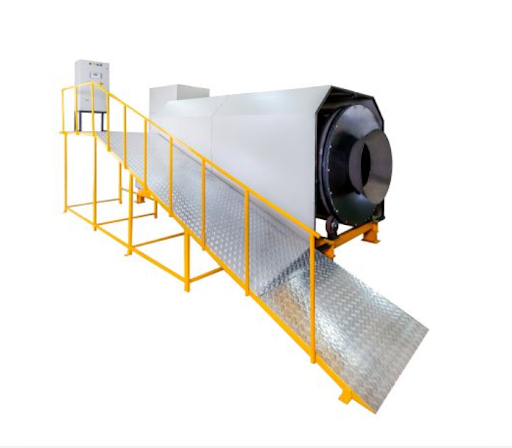
That’s exactly where a composter machine comes in.
But here’s the catch:
Choosing the wrong machine can lead to inefficiency, foul odours, wasted money, and frustration.
Whether you run a housing society, hotel, restaurant, or industrial setup, selecting the right organic waste composter machine based on your waste quantity is critical.
Understanding Waste Quantity Categories
Before buying any food waste composter machine, you need to answer one simple question:
👉 How much waste do you generate daily?
1. Small Scale (0–25 kg/day)
- Small households
- Cafes
- Small offices
2. Medium Scale (25–100 kg/day)
- Restaurants
- Medium housing societies
- Schools
3. Large Scale (100–500 kg/day)
- Hotels
- Large residential complexes
- Commercial buildings
4. Industrial Scale (500+ kg/day)
- Food processing units
- Large institutions
- Industrial facilities
Pro Tip: Always calculate peak waste generation (festivals, weekends), not just average.
4 Types of Composter Machines Explained
Not all machines work the same. Choosing the right organic waste converter depends heavily on waste volume and usage.
1. Manual Composting Units
Best for: Small scale
- Low cost
- Requires labour
- Longer composting time
2. Semi-Automatic Machines
Best for: Medium scale
- Partial automation
- Reduced effort
- Moderate processing speed
3. Fully Automatic Composter Machines
Best for: Large-scale
- Fast processing (24–48 hours)
- Minimal human intervention
- Odour control systems
4. Industrial Organic Waste Converters
Best for: Industrial scale
- High capacity
- Advanced technology
- Continuous operation
Modern solutions like those offered by Smartenviro Systems Private Ltd focus on automation, efficiency, and sustainability, making them ideal for businesses looking to scale responsibly.
Key Factors to Consider Before Buying
Choosing a composter machine isn’t just about size. Here are the key factors you must evaluate:
1. Waste Type
- Food waste
- Garden waste
- Mixed organic waste
A good food waste composter machine should handle high-moisture waste efficiently.
2. Space Availability
- Do you have indoor or outdoor space?
- Is ventilation available?
Compact designs are ideal for urban India where space is limited.
3. Processing Time
- Traditional methods: 30–45 days
- Modern machines: 24–72 hours
Faster machines = quicker ROI.
4. Power Consumption
- Energy-efficient machines reduce long-term cost
- Check for eco-friendly certifications
5. Odour & Pest Control
This is a major concern in Indian climates.
Advanced organic waste composter machines now come with:
- Deodorizing systems
- Air filtration
- Closed processing units
6. Ease of Operation
As Peter Drucker said:
“Efficiency is doing things right; effectiveness is doing the right things.”
Choose machines that are easy to operate even for non-technical staff.
Common Mistakes Businesses Make
Even today, many businesses invest in the wrong organic waste converter due to lack of awareness.
Mistake 1: Underestimating Waste Volume
Result: Machine overload and breakdown
Mistake 2: Choosing Cheap Over Efficient
Result: High maintenance costs
Mistake 3: Ignoring After-Sales Support
Result: Downtime and operational issues
Mistake 4: Not Considering Automation
Manual systems often fail in the long run.
Why Technology & Automation Matter Today
India is rapidly moving towards sustainable and decentralized waste management.
Modern composter machines are no longer just bins—they are smart systems.
Latest Trends:
- IoT-enabled monitoring
- Fully automatic composting
- Energy-efficient designs
- Zero-waste solutions
This is where companies like Smartenviro Systems Private Ltd stand out.
They are not just providing machines—they are delivering complete waste management ecosystems.
How Smartenviro Systems Private Ltd Adds Value
When choosing a organic waste composter machine, the brand you choose matters as much as the machine itself.
What makes Smartenviro Systems Private Ltd different?
✔ Wide Range of Machines
From small-scale to industrial solutions
✔ Advanced Technology
Efficient organic waste converters designed for Indian conditions
✔ Customization Options
Machines tailored to your waste quantity
✔ Strong After-Sales Support
Because installation is just the beginning
✔ Sustainability Focus
Helping businesses reduce landfill dependency
Their solutions are especially useful for:
- Housing societies
- Hotels & restaurants
- Corporates
- Municipal projects
By integrating the right food waste composter machine, businesses not only manage waste efficiently but also contribute to a greener future.
Practical Buying Guide (Quick Checklist)
Before finalizing your composter machine, ask yourself:
- ✔ What is my daily waste quantity?
- ✔ What type of waste do I generate?
- ✔ Do I need automation?
- ✔ What is my available space?
- ✔ What is my long-term maintenance plan?
If you can answer these clearly, you’re already ahead of 90% of buyers.
Final Thoughts
Choosing the right composter machine is not just a purchase decision; it’s a long-term investment in sustainability, efficiency, and cost savings.
As waste generation continues to rise in India, businesses that act early will not only save money but also build a strong environmental reputation.
The real question is not whether you need an organic waste composter machine…
It’s whether you’re choosing the right one for your waste.